
Understanding Hair Loss: Causes, Symptoms & Treatments
Hair loss, also known as alopecia, can result from a wide range of genetic, hormonal, medical, and environmental factors. The most common form is androgenetic alopecia (male or female pattern baldness), which is inherited and related to hormonal sensitivity.
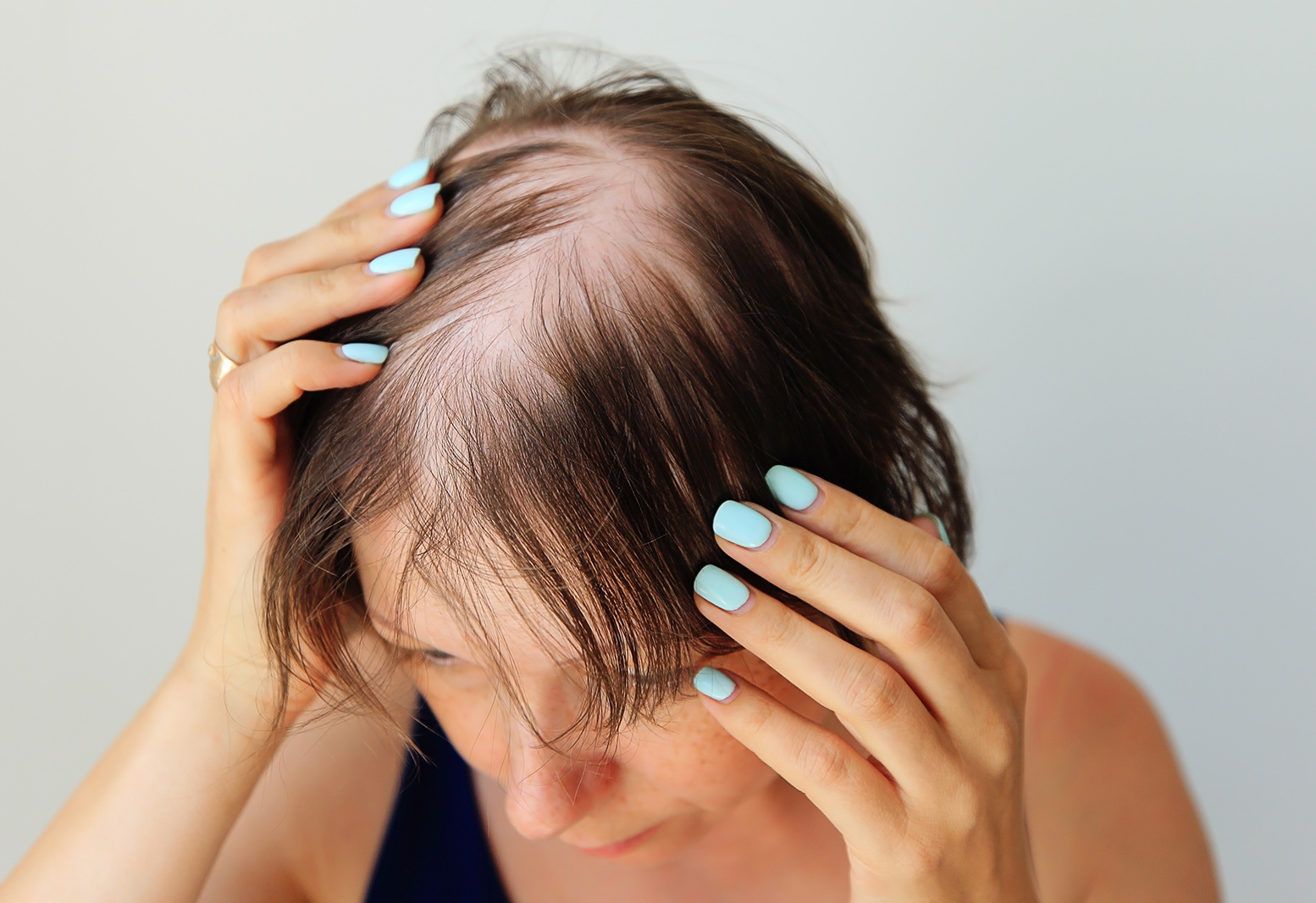
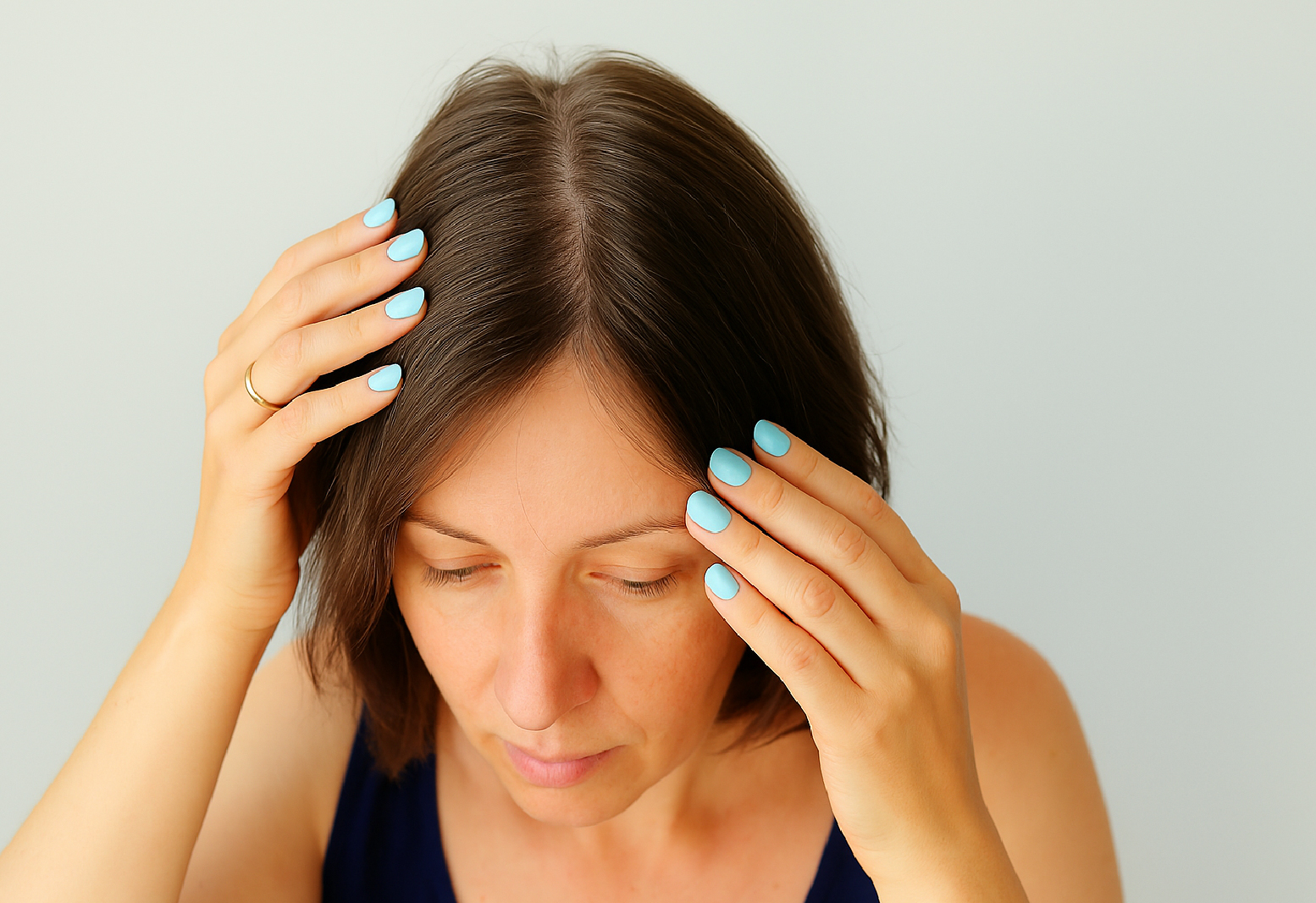
What is Hair Loss?
Hair Loss: Causes, Symptoms, and Affected Areas
Hair loss, or alopecia, is a common dermatological condition marked by the partial or complete loss of hair from areas where it normally grows, most commonly the scalp. This condition can result from various factors, including genetics, hormonal imbalances, autoimmune diseases, nutritional deficiencies, or stress. The most common type, androgenetic alopecia, is hereditary and affects both men and women.
Symptoms may include gradual thinning on the top of the head, sudden loosening of hair, patchy bald spots, or full-body hair loss in more severe cases.
Hair loss can affect individuals of any age but is more frequently seen in adults due to aging or hormonal changes. Commonly affected areas include the scalp, eyebrows, eyelashes, beard, and sometimes other parts of the body, depending on the underlying cause.
Alopecia Areata
Alopecia areata is an autoimmune condition where the body’s own immune system targets and shuts off hair production in the hair follicles, leading to characteristic circular, coin shaped patches of hair loss.
Central Centrifugal Cicatricial Alopecia
Central centrifugal cicatricial alopecia (CCCA) is a scarring alopecia – a condition which leads to destruction of the hair follicle and permanent hair loss. It predominantly affects middle aged Black women.
Female Pattern Hair Loss (Androgenetic Alopecia)
Female pattern hair loss, also known as androgenetic alopecia, is the female counterpart of the more widely recognized male pattern hair loss. Unlike men who present with a receding hairline and hair loss on the top and front, female pattern hair loss presents with widening of the part line which can progress to generalized thinning.
Frontal Fibrosing Alopecia
Frontal fibrosing alopecia is a relatively new hair loss condition that was first described in the 1990s. Though initially thought of as a rare condition, frontal fibrosing alopecia has become increasingly more common with the reported incidence increasing worldwide. The cause remains unknown.
Hair Loss
Our body is continually growing new hair. As new hair grows, the old hair is shed. It is normal for an individual to shed or lose between 50 to 100 hairs a day. Hair loss occurs when there is excessive shedding (beyond the typical 50-100 hairs a day) or when the hair follicles become dormant or destroyed, resulting in the lack of new hair growth.
Male Pattern Hair Loss (Androgenetic Alopecia)
Male-patterned baldness or androgenetic alopecia is the most common form of hair loss affecting men. The condition can start as early as late teens or early twenties, but typically is more common in older men.
Telogen Effluvium
Telogen effluvium is a common cause of temporary hair loss caused by excessive shedding of telogen or resting hairs. All hair cycles through the stages of hair growth – from growing to involution to resting and eventually shedding.
Male Pattern Hair Loss (Androgenetic Alopecia)
Traction alopecia is a type of hair loss that occurs as a result of the hair being pulled too tightly. It commonly occurs in hair styles such as ponytails, buns, tight braids, cornrows, hair weaves, and hair extensions.
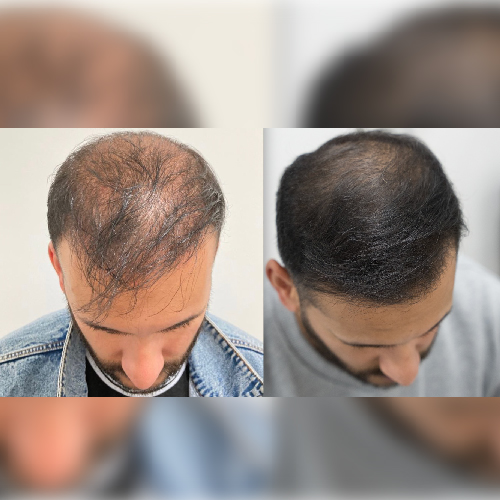
Before and After: Hair Loss Treatment Success
Visual Transformation: Hair Loss Treatment Results
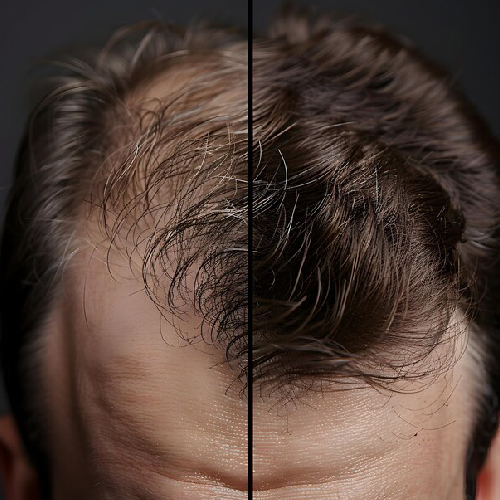
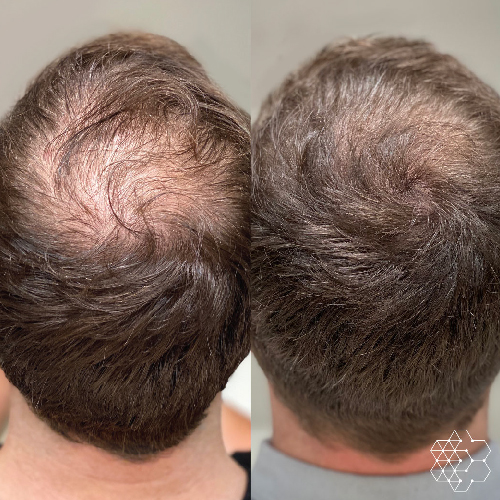
Treatment Options
Over-the-Counter Products
Explore shampoos, serums, and topical solutions available without a prescription that may help slow hair loss and promote healthy hair growth.
Prescription Topical Medications
Topical treatments such as minoxidil or corticosteroids prescribed by dermatologists to stimulate hair follicles and reduce inflammation on the scalp.
Oral Prescription Medications
Systemic medications like finasteride or hormonal therapies that work internally to treat hair loss, especially in cases of androgenetic alopecia.
Advanced Therapies
Cutting-edge treatments including platelet-rich plasma (PRP), microneedling, low-level laser therapy (LLLT), and hair transplant surgery for more significant or resistant cases.
Important Notice
Legal Disclaimer
The information on this website is provided for educational and information purposes only and is not medical advice. Always consult with a licensed medical provider and follow their recommendations regardless of what you read on this website. If you think you are having a medical emergency, dial 911 or go to the nearest emergency room. Links to other third-party websites are provided for your convenience only. If you decide to access any of the third-party websites, you do so entirely at your own risk and subject to the terms of use for those websites. Neither Skin Surgery & Aesthetic Dermatology, nor any contributor to this website, makes any representation, express or implied, regarding the information provided on this website or any information you may access on a third-party website using a link. Use of this website does not establish a doctor-patient relationship. If you would like to request an appointment with a health care provider, please call our office at (858) 292-5101.