
Understanding Rosacea: Causes, Symptoms & Treatments
Rosacea is a chronic inflammatory skin condition that primarily affects the face, resulting in redness, visible blood vessels, and in some cases, pimples or thickened skin.


What is Rosacea?
Rosacea: Causes, Symptoms, and Affected Areas
Rosacea is a chronic inflammatory skin condition that primarily affects the face, resulting in redness, visible blood vessels, and in some cases, pimples or thickened skin. It tends to worsen over time if left untreated and often follows a pattern of flare-ups and remissions. While it can affect anyone, it is more common in fair-skinned adults aged 30–50.
The exact cause of rosacea is unknown, but it is believed to be related to a combination of genetic predisposition, immune system overreaction, and environmental triggers. Common triggers include sun exposure, hot or spicy foods, alcohol, extreme temperatures, stress, and certain skincare products.
Symptoms may include persistent facial redness, flushing, visible capillaries (telangiectasia), small acne-like bumps, and eye irritation (ocular rosacea). In some cases, skin may thicken, especially around the nose (a condition known as rhinophyma).
Rosacea typically affects the cheeks, nose, chin, and forehead, but it can also impact the eyes and neck in more advanced forms.
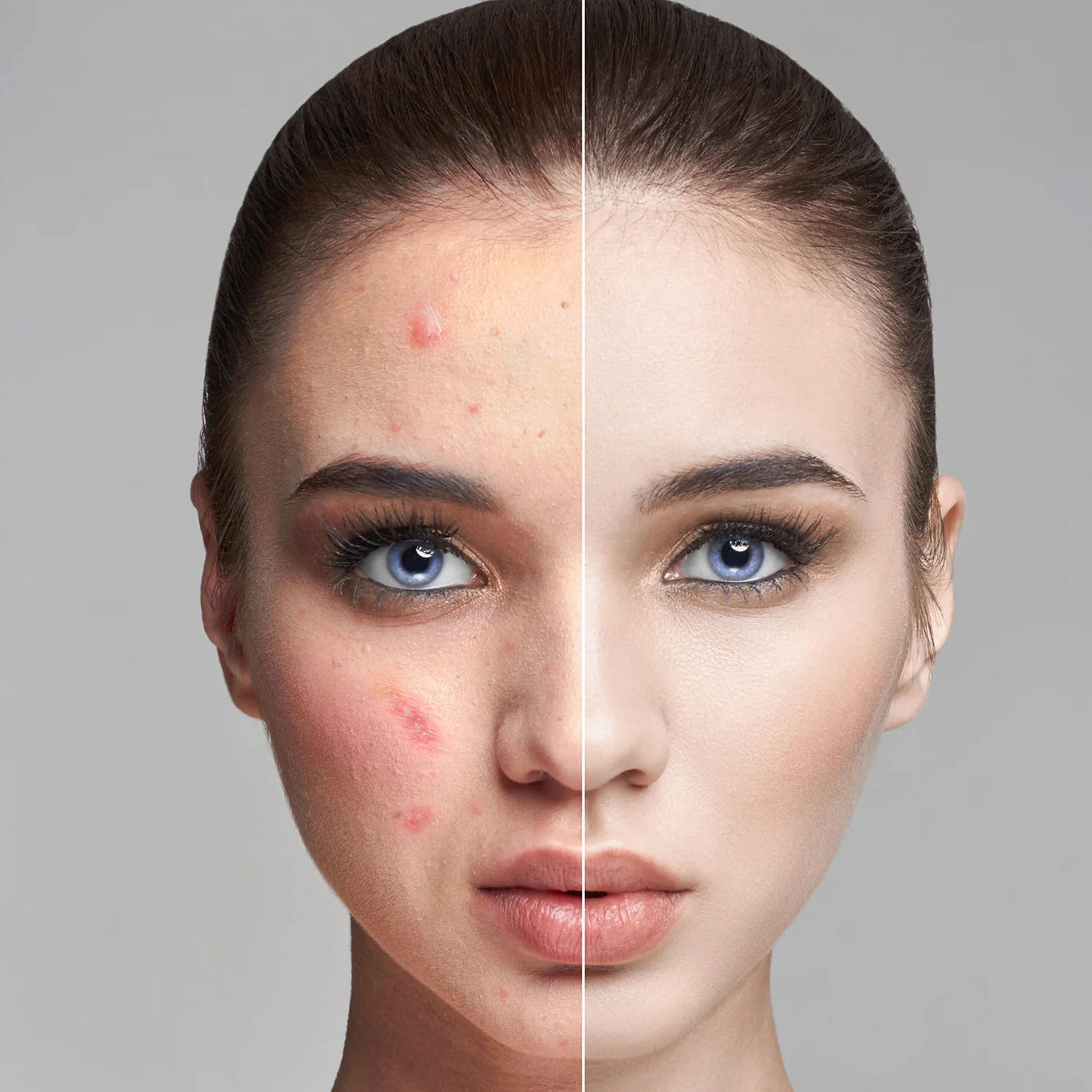
Before and After: Rosacea Treatment Success
Visual Transformation: Rosacea Treatment Results


Treatment Options
Over-the-Counter Products
Gentle skincare products, green-tinted moisturizers to neutralize redness, and sunscreens formulated for sensitive skin can help manage mild rosacea symptoms.
Prescription Topical Medications
Dermatologists often prescribe metronidazole, azelaic acid, ivermectin, or brimonidine gel, which reduce inflammation and visible redness.
Oral Prescription Medications
Oral antibiotics such as doxycycline are commonly used for inflammatory rosacea. In more severe cases, isotretinoin may be considered under close medical supervision.
Advanced Therapies
Laser therapy and intense pulsed light (IPL) can target visible blood vessels and reduce persistent redness. In cases of rhinophyma, surgical resurfacing may be needed to reshape thickened skin.
Important Notice
Legal Disclaimer
The information provided on musbrand.com is intended for educational purposes only and should not be considered medical advice. Always consult with a qualified healthcare provider for personalized medical guidance. In case of a medical emergency, contact emergency services immediately. External links are provided for convenience and do not imply endorsement. Use of this website does not establish a doctor-patient relationship. For appointments, please contact our clinic directly.