
Understanding Vitiligo: Causes, Symptoms & Treatments
Vitiligo is a chronic skin condition in which melanocytes, the cells responsible for producing pigment (melanin), are destroyed.


What is Vitiligo?
Vitiligo: Causes, Symptoms, and Affected Areas
Vitiligo is a chronic skin condition in which melanocytes, the cells responsible for producing pigment (melanin), are destroyed. This results in patches of depigmented (white) skin that can appear on various parts of the body. While vitiligo is not contagious or life-threatening, it can have significant psychological and emotional effects on individuals.
The exact cause is not fully understood, but it is believed to be an autoimmune disorder, where the immune system mistakenly attacks the pigment-producing cells. Genetic predisposition, family history, oxidative stress, and environmental triggers may also play a role.
Symptoms include the gradual appearance of white or pale patches of skin, often symmetrical, with sharp or irregular borders. The affected skin is otherwise healthy—non-scaly, non-itchy, and painless. Over time, the patches may grow or spread to new areas. In some cases, hair in the affected area may also lose its pigment.
Vitiligo can affect any part of the body but is most commonly seen on hands, face, around the mouth and eyes, elbows, knees, feet, and genital areas. It may also involve the scalp and mucous membranes, including inside the mouth or nose.
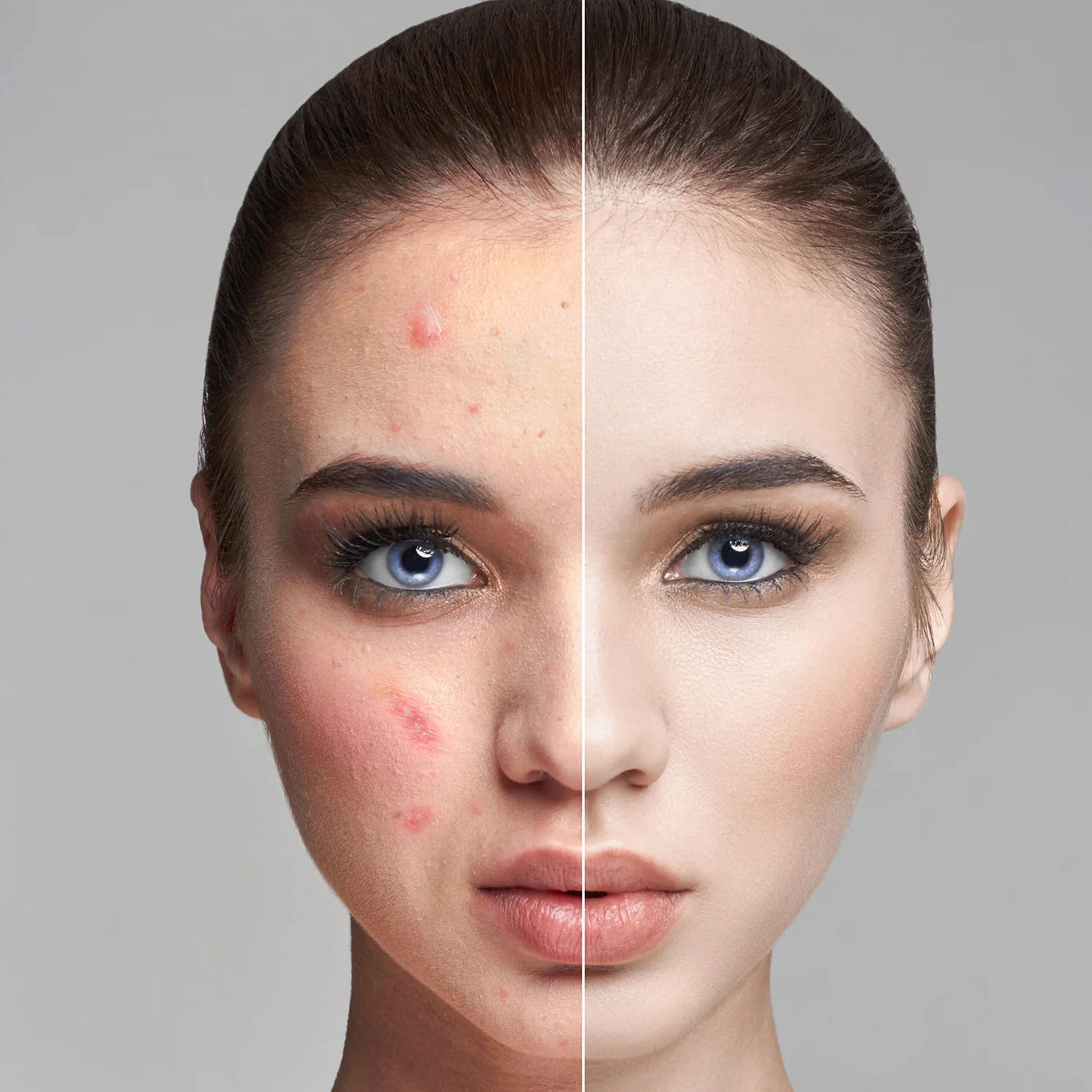
Before and After: Vitiligo Treatment Success
Visual Transformation: Vitiligo Treatment Results


Treatment Options
Over-the-Counter Products
Cosmetic products such as makeup, tinted moisturizers, and self-tanners can help camouflage depigmented areas and improve appearance.
Prescription Topical Medications
Topical corticosteroids, calcineurin inhibitors (e.g., tacrolimus), and vitamin D analogs may help slow progression and, in some cases, stimulate repigmentation.
Oral Prescription Medications
Systemic treatments are less common but may include oral corticosteroids or immunomodulators for rapidly progressing or extensive vitiligo under specialist supervision.
Advanced Therapies
Options include narrowband UVB phototherapy, excimer laser, micropigmentation (tattooing), and in selected cases, skin grafting. Newer biologic therapies are being studied to regulate immune activity. Psychological support and counseling are also important components of treatment.
Important Notice
Legal Disclaimer
The information provided on musbrand.com is intended for educational purposes only and should not be considered medical advice. Always consult with a qualified healthcare provider for personalized medical guidance. In case of a medical emergency, contact emergency services immediately. External links are provided for convenience and do not imply endorsement. Use of this website does not establish a doctor-patient relationship. For appointments, please contact our clinic directly.