
Understanding MOHS MICROGRAPHIC SURGERY
Purpose, Procedure, and Common Treatment Areas
Mohs micrographic surgery is a specialized, highly effective technique used to treat skin cancer, particularly basal cell carcinoma (BCC) and squamous cell carcinoma (SCC).

What is Mohs Micrographic Surgery?
Mohs Micrographic Surgery
Purpose, Procedure, and Common Treatment Areas
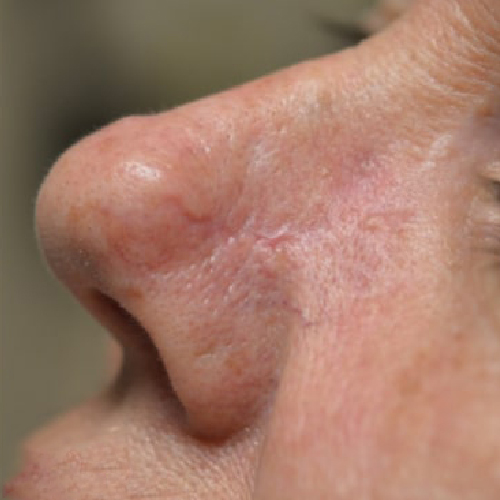
Mohs micrographic surgery is a specialized, highly effective technique used to treat skin cancer, particularly basal cell carcinoma (BCC) and squamous cell carcinoma (SCC). It is considered the gold standard for removing skin cancers in cosmetically sensitive or high-risk areas because it allows for the precise removal of cancerous tissue while preserving healthy surrounding skin.
The procedure involves removing thin layers of cancer-containing skin and examining each layer under a microscope immediately, repeating the process until no abnormal cells remain. This approach ensures maximum tumor clearance and has a cure rate of up to 99% for certain skin cancers.
Mohs surgery is typically performed on the face, ears, scalp, neck, hands, and genital region, where preserving cosmetic and functional integrity is critical. It is done under local anesthesia in an outpatient setting and may require reconstructive techniques afterward, depending on the size and location of the removal site.
Mohs Micrographic Surgery


Treatment Options
Over-the-Counter Products
Post-procedure care may involve non-prescription items such as petroleum jelly, gentle cleansers, and non-stick bandages to keep the wound moist and clean during healing.
Prescription Topical Medications
Topical antibiotics (like mupirocin) or anti-inflammatory creams may be prescribed to prevent infection and reduce swelling after surgery.
Oral Prescription Medications
While pain is typically mild, oral analgesics (such as acetaminophen or ibuprofen) may be recommended for temporary discomfort. In rare cases, antibiotics may be prescribed to prevent infection.
Advanced Therapies
If the wound is large or located in a cosmetically sensitive area, reconstructive options such as skin grafts, local flaps, or later laser scar revision may be recommended. Follow-ups ensure complete healing and monitor for recurrence.
Important Notice
Legal Disclaimer
The medical information provided on this website is for general informational and educational purposes only and is not intended as a substitute for professional medical advice, diagnosis, or treatment. Always seek the advice of your physician or a qualified healthcare provider with any questions you may have regarding a medical condition or procedure.
Do not disregard, avoid, or delay obtaining medical advice from a licensed professional because of something you have read or seen on this website. Results from treatments, including Mohs micrographic surgery, may vary from person to person and are not guaranteed.
This site does not offer medical services, and its content should not be used to self-diagnose or self-treat any health-related issues. The administrators and contributors of this site are not liable for any direct, indirect, or consequential damages resulting from the use or misuse of the information provided.