
Understanding Psoriasis: Causes, Symptoms & Treatments
Psoriasis is a chronic autoimmune skin condition that accelerates the life cycle of skin cells, causing them to build up rapidly on the surface of the skin. This buildup results in thick, red, scaly patches that may itch, burn, or crack.
What is Psoriasis?
Psoriasis: Causes, Symptoms, and Affected Areas
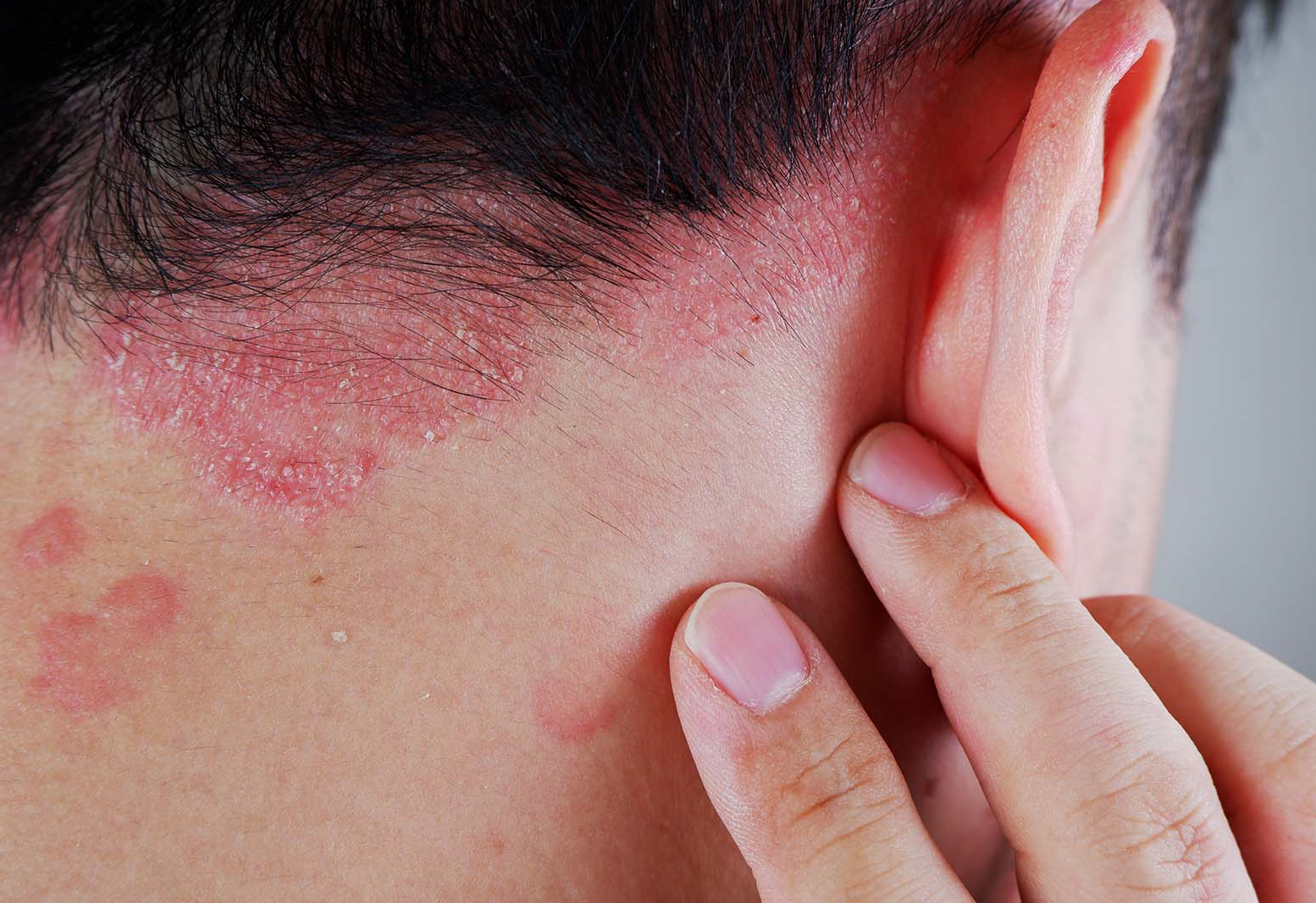
Psoriasis is a chronic autoimmune skin condition that accelerates the life cycle of skin cells, causing them to build up rapidly on the surface of the skin. This buildup results in thick, red, scaly patches that may itch, burn, or crack. Psoriasis is not contagious and can vary in severity from small localized spots to full-body involvement.
The exact cause of psoriasis is unknown, but it’s understood to involve a combination of genetic predisposition and immune system dysfunction, where the immune system mistakenly attacks healthy skin cells. Triggers include stress, infections, certain medications, alcohol consumption, injuries to the skin, and cold weather.
Symptoms include raised, inflamed red patches covered with silvery-white scales, dry and cracked skin, itching or soreness, and nail changes (such as pitting or separation from the nail bed). In more severe cases, it may also involve joint pain, known as psoriatic arthritis.
Psoriasis commonly affects the scalp, elbows, knees, lower back, and nails, but it can appear anywhere on the body. Flare-ups often occur in cycles, with periods of remission in between.
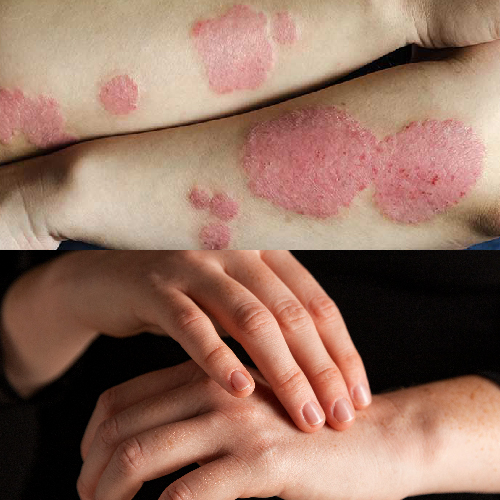
Before and After: Psoriasis Treatment Success
Visual Transformation: Psoriasis Treatment Results


Treatment Options
Over-the-Counter Products
Mild psoriasis may be managed with moisturizers, coal tar products, or salicylic acid shampoos and creams that help reduce scaling and dryness.
Prescription Topical Medications
Stronger topical treatments include corticosteroids, vitamin D analogs (like calcipotriene), retinoids, and calcineurin inhibitors for sensitive areas.
Oral Prescription Medications
For moderate to severe cases, oral systemic treatments like methotrexate, cyclosporine, or acitretin may be used to suppress the immune response and control symptoms.
Advanced Therapies
Biologic therapies (e.g., adalimumab, ustekinumab, secukinumab) target specific parts of the immune system and are effective for resistant psoriasis. Other advanced options include phototherapy (UVB or PUVA), and excimer laser treatments for localized plaques.
Important Notice
Legal Disclaimer
The content provided on this website, including information about psoriasis and other dermatologic conditions, is for general informational and educational purposes only. It is not intended to be a substitute for professional medical advice, diagnosis, or treatment.
Always consult with a qualified healthcare provider or board-certified dermatologist regarding any questions or concerns you may have about a medical condition. Do not rely on information found on this site as a basis for self-diagnosis or treatment.
While we aim to provide accurate and up-to-date content, no guarantees are made regarding the completeness, accuracy, or effectiveness of any treatments mentioned. Individual results may vary. We do not assume liability for any direct or indirect outcomes resulting from the use or misuse of the information provided.
If you are experiencing a medical emergency, call your doctor or emergency services immediately.