
Understanding Skin Cancer: Causes, Symptoms & Treatments
Skin cancer is the abnormal growth of skin cells, most often caused by ultraviolet (UV) radiation from the sun or tanning beds.


What is Skin Cancer?
Skin Cancer: Causes, Symptoms, and Affected Areas
Skin cancer is the abnormal growth of skin cells, most often caused by ultraviolet (UV) radiation from the sun or tanning beds. It is the most common form of cancer worldwide and can affect people of all skin types. The main types include basal cell carcinoma (BCC), squamous cell carcinoma (SCC), and melanoma, which is the most aggressive and potentially life-threatening.
The primary cause is prolonged and unprotected exposure to UV radiation, but risk factors also include fair skin, family history of skin cancer, weakened immune system, frequent sunburns, and exposure to carcinogenic substances. Skin cancer can develop anywhere on the body, but it most commonly appears in areas frequently exposed to the sun, such as the face, ears, scalp, neck, shoulders, arms, and back.
Early signs may include new or changing moles, sores that do not heal, scaly patches, raised lumps, or unusual pigment changes. Regular skin checks and early detection are critical to improving outcomes.
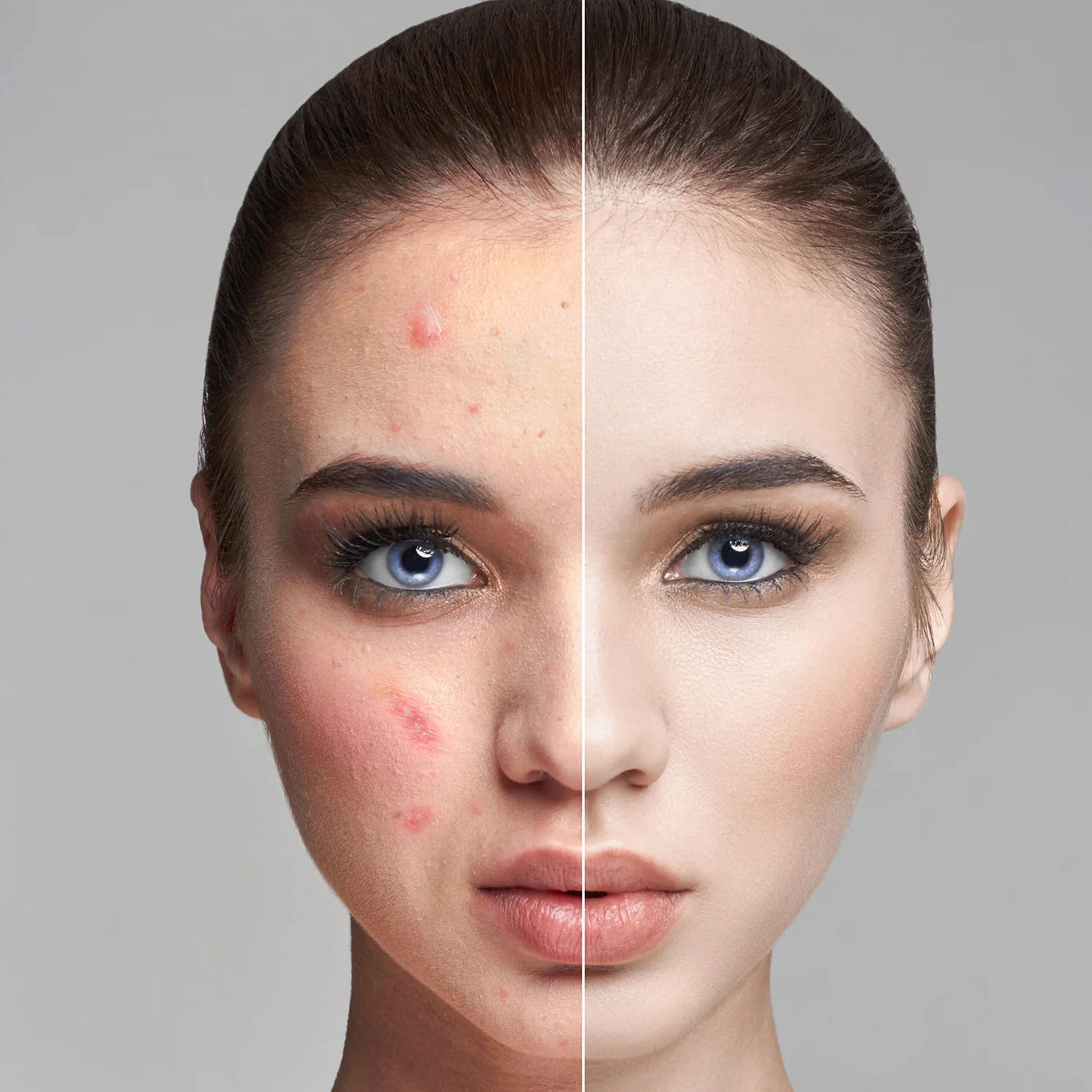
Before and After: Skin Cancer Treatment Success
Visual Transformation: Skin Cancer Treatment Results


Treatment Options
Over-the-Counter Products
While OTC products cannot treat skin cancer, broad-spectrum sunscreens (SPF 30 or higher) and protective skincare are essential for prevention and reducing recurrence after treatment.
Prescription Topical Medications
Certain superficial skin cancers may be treated with topical chemotherapy agents like 5-fluorouracil (5-FU) or imiquimod, which work by destroying abnormal cells or stimulating the immune system.
Oral Prescription Medications
For advanced or metastatic cases, targeted therapies or immunotherapies (e.g., cemiplimab, vismodegib) may be prescribed by oncology dermatologists.
Advanced Therapies
Standard treatment includes surgical excision, Mohs micrographic surgery for high-risk areas, cryotherapy, radiation therapy, or photodynamic therapy (PDT). Regular follow-up and monitoring are crucial to prevent recurrence.
Important Notice
Legal Disclaimer
The information provided on musbrand.com is intended for educational purposes only and should not be considered medical advice. Always consult with a qualified healthcare provider for personalized medical guidance. In case of a medical emergency, contact emergency services immediately. External links are provided for convenience and do not imply endorsement. Use of this website does not establish a doctor-patient relationship. For appointments, please contact our clinic directly.