
Understanding Lipoma: Causes, Symptoms & Treatments
A lipoma is a benign (non-cancerous) tumor made up of fat tissue. It is typically soft to the touch, movable under the skin, and usually painless.

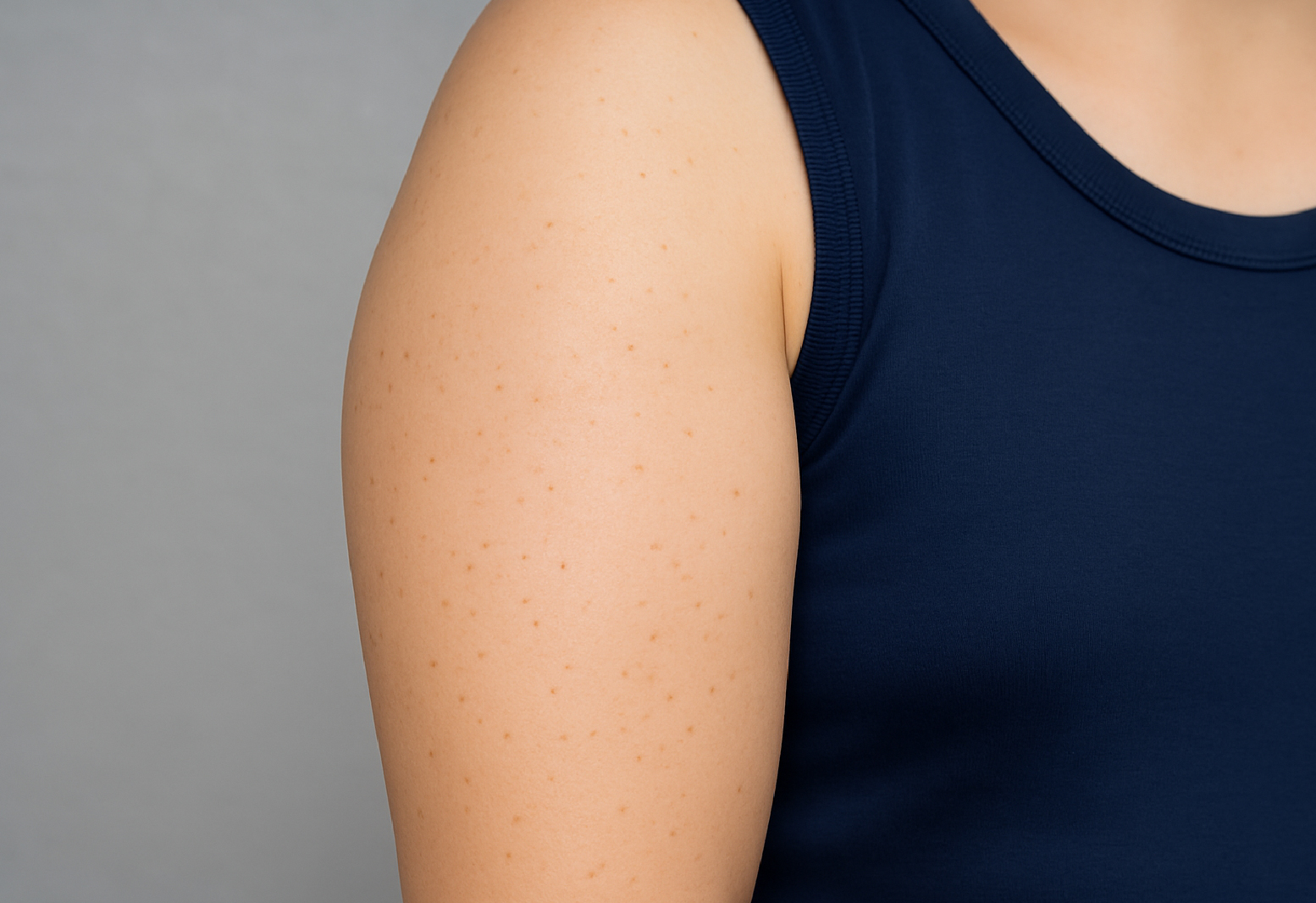
What is ¿Lipoma?
Lipoma: Causes, Symptoms, and Affected Areas
A lipoma is a benign (non-cancerous) tumor made up of fat tissue. It is typically soft to the touch, movable under the skin, and usually painless. Lipomas grow slowly and are most often found just beneath the skin, although they can also develop deeper in the body. While the exact cause is not always known, lipomas often run in families and may be associated with certain genetic conditions such as familial multiple lipomatosis.
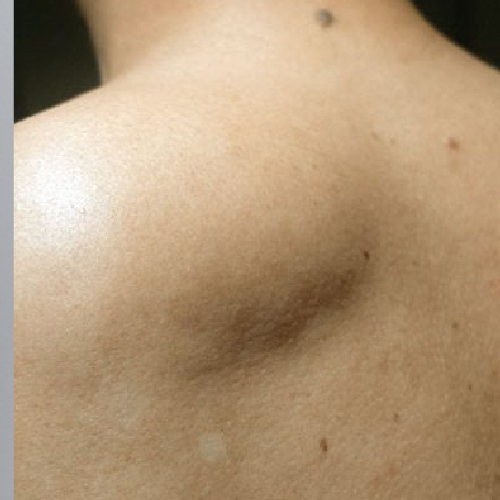
Symptoms usually include a soft, doughy lump that is easily moved when touched. They are typically less than 2 inches in diameter, though some can grow larger. Lipomas are generally not tender unless they press on nearby nerves or contain many blood vessels.
Lipomas can develop anywhere on the body, but they are most commonly found on the neck, shoulders, back, abdomen, arms, and thighs. They can occur at any age but are most common in adults between the ages of 40 and 60.
Before and After: Lipoma Treatment Success
Visual Transformation: Lipoma Treatment Results
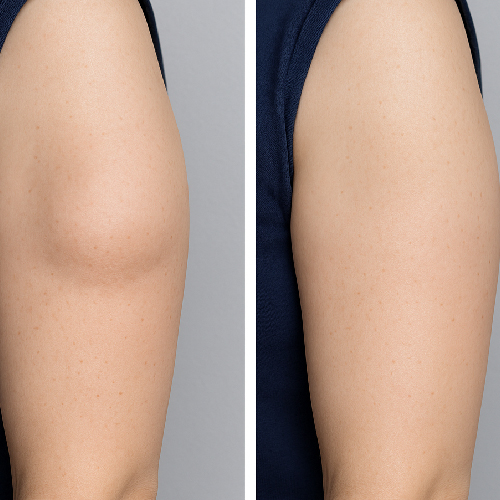

Treatment Options
Over-the-Counter Products
There are no proven over-the-counter treatments that remove lipomas. Some natural remedies may claim to reduce their appearance, but scientific evidence is lacking.
Prescription Topical Medications
Topical treatments are generally ineffective for lipomas, as these fatty tumors are located beneath the skin and require deeper intervention.
Oral Prescription Medications
In most cases, oral medications are not prescribed for lipomas. However, in rare cases of multiple painful lipomas or associated syndromes, medication may be considered to manage inflammation or discomfort.
Advanced Therapies
Surgical excision is the most effective treatment and is usually done under local anesthesia. Other options include liposuction or minimally invasive techniques like steroid injections to shrink the mass. These therapies are considered when the lipoma is painful, growing, or cosmetically concerning.
Important Notice
Legal Disclaimer
The information provided on musbrand.com is intended for educational purposes only and should not be considered medical advice. Always consult with a qualified healthcare provider for personalized medical guidance. In case of a medical emergency, contact emergency services immediately. External links are provided for convenience and do not imply endorsement. Use of this website does not establish a doctor-patient relationship. For appointments, please contact our clinic directly.